July 18, 2026
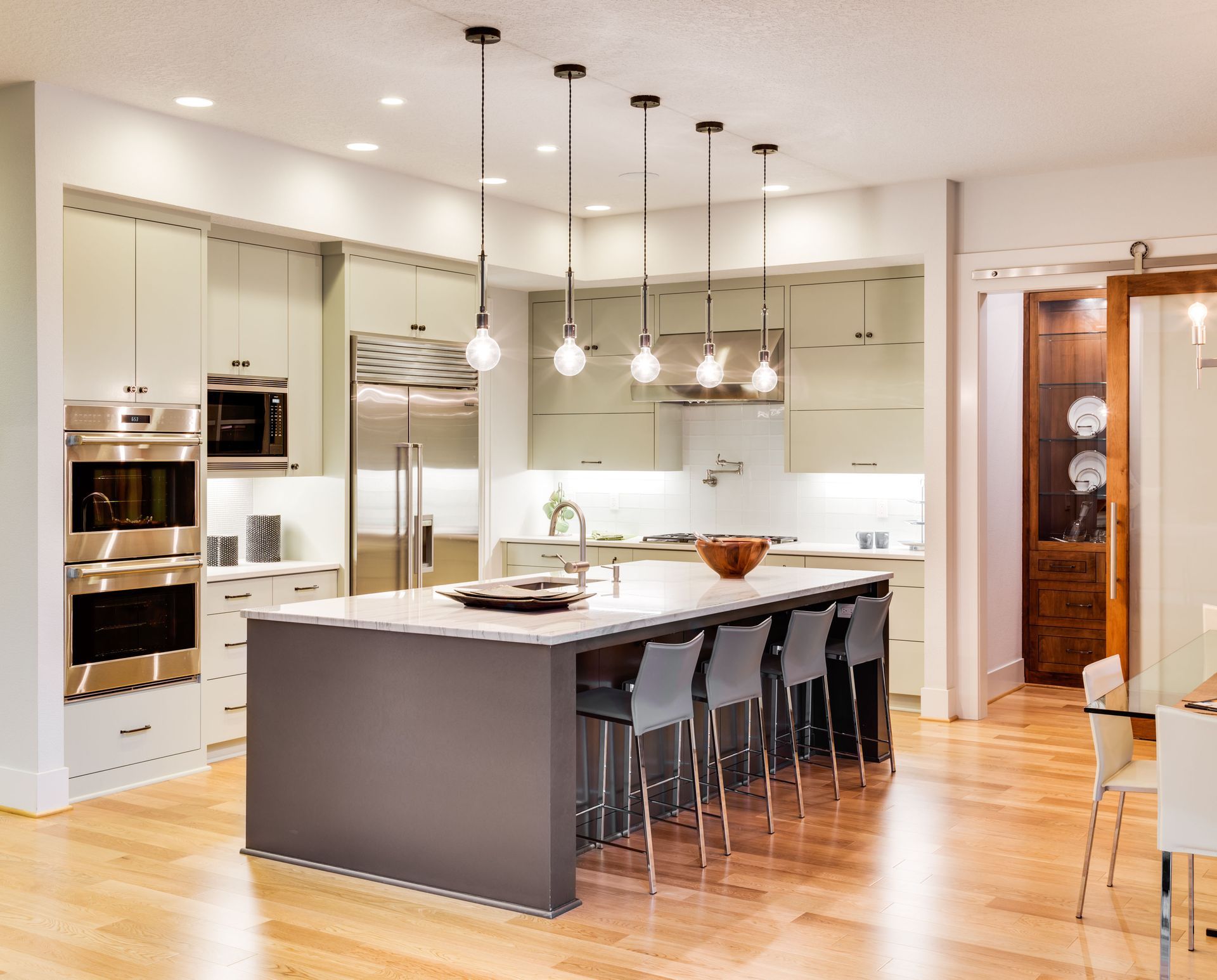
The kitchen has become much more than a place to prepare meals. It serves as a gathering space, a work area, an entertainment hub, and often the center of daily family life. Because of this, homeowners are paying closer attention to how their kitchens function and how well the space supports their routines. Working with a professional kitchen designer can help create a kitchen that feels more organized, comfortable, and efficient without sacrificing style.
A well-planned design considers everything from storage and traffic flow to accessibility and long-term value. Rather than focusing solely on appearance, a designer evaluates how the space is used every day and develops solutions that improve both practicality and aesthetics. The result is a kitchen that works better for the people who use it most. Below are seven important ways a professional can help improve home function through thoughtful kitchen design.
1. Maximizing Storage With Smarter Solutions
One of the biggest challenges homeowners face is finding enough storage without making the kitchen feel crowded. A skilled kitchen designer understands how to make every inch count by incorporating custom cabinetry, specialized drawers, and creative storage features that improve organization.
Instead of relying on standard cabinet layouts, designers evaluate how a household uses its kitchen and recommend storage solutions that support those habits. Pull-out pantry shelves, corner cabinet systems, deep drawers for cookware, and vertical storage options can significantly increase usable space while reducing clutter.
Hidden storage features also contribute to a cleaner and more streamlined appearance. Built-in trash systems, appliance garages, and under-cabinet organizers keep everyday items accessible while maintaining a tidy look. By maximizing storage in thoughtful ways, a designer helps homeowners create a space that feels larger, more functional, and easier to maintain.
2. Improving Workflow With Better Planning
An efficient kitchen allows people to move comfortably between cooking, cleaning, and food preparation tasks. One of the primary responsibilities of a kitchen designer is creating a layout that supports a natural workflow and minimizes unnecessary movement.
The traditional kitchen work triangle remains an important design principle, but modern kitchens often require more flexibility. Designers create dedicated zones for meal preparation, cooking, cleanup, and storage so multiple people can comfortably use the space at the same time.
Strategic placement of appliances, sinks, and work surfaces helps improve convenience throughout the day. Whether preparing a quick breakfast or hosting a large family gathering, an optimized layout reduces frustration and allows activities to flow more smoothly. Better planning ultimately transforms the kitchen into a more productive and enjoyable space.
3. Blending Beauty and Function With Purpose
A successful kitchen should look attractive while supporting everyday activities. A professional kitchen designer understands how to balance visual appeal with practical functionality, ensuring neither element overshadows the other.
Material selection plays a major role in achieving this balance. Durable countertops, easy-to-clean surfaces, and high-quality cabinetry provide long-term performance while contributing to the overall design aesthetic. Carefully chosen finishes, colors, and textures help create a cohesive appearance that feels welcoming and timeless.
Customization also allows homeowners to express their personal style without sacrificing usability. From unique cabinet details to thoughtfully selected fixtures and hardware, every design choice contributes to a kitchen that reflects individual preferences while remaining highly functional. This combination of beauty and practicality helps create a space that homeowners enjoy using every day.
4. Supporting Remodeling Trends With Professional Guidance
Kitchen renovations continue to be one of the most popular home improvement projects across the country. According to reporting highlighted by This Old House, roughly 51% of homeowners expect to undertake a kitchen remodeling project within a year, demonstrating ongoing demand for upgraded and more functional kitchen spaces.
With so many design options available, homeowners can easily feel overwhelmed by choices involving layouts, finishes, materials, and technology. A knowledgeable kitchen designer helps navigate these decisions by providing professional recommendations based on current trends, practical needs, and long-term goals.
Rather than chasing short-lived design fads, professionals focus on creating solutions that remain functional and appealing for years to come. Their expertise helps homeowners invest wisely while avoiding costly mistakes that could impact the overall success of a remodeling project. Guidance from a designer often leads to better outcomes and greater satisfaction with the finished space.
5. Increasing Home Value Through Upgrading
Kitchen improvements are often viewed as one of the most valuable investments homeowners can make. Buyers consistently place significant importance on kitchen quality, making thoughtful upgrades a strong contributor to overall property value.
A designer helps ensure that renovation decisions support both current needs and future resale potential. Quality materials, efficient layouts, and timeless design choices appeal to a wide range of buyers while improving everyday usability for current occupants.
Energy-efficient appliances, durable finishes, and modern storage solutions can further increase a home's attractiveness in a competitive real estate market. By combining functionality with broad market appeal, a designer helps create a space that delivers lasting value beyond immediate visual improvements.
6. Enhancing Accessibility With Inclusive Design
Accessibility has become an increasingly important consideration in modern home design. Kitchens should be comfortable and usable for people of varying ages, abilities, and mobility levels. A professional kitchen designer can incorporate features that make daily activities easier while maintaining an attractive appearance.
Universal design principles often include wider walkways, accessible storage solutions, user-friendly hardware, and strategically positioned work surfaces. These features improve convenience for everyone, not just individuals with specific mobility needs.
Designers may also recommend safety-focused elements such as slip-resistant flooring, improved lighting, and soft-close cabinetry. These enhancements contribute to a safer environment while supporting long-term usability. By enhancing accessibility with thoughtful planning, a designer helps create a space that adapts to changing needs over time.
7. Personalizing Spaces With Lifestyle-Focused Features
Every household uses its kitchen differently. Some families prioritize cooking and meal preparation, while others focus on entertaining guests, working from home, or spending quality time together. A kitchen designer takes these unique habits into account when developing a customized design plan.
For families, this may include durable materials, ample seating, and child-friendly storage solutions. Homeowners who enjoy entertaining may benefit from larger islands, beverage stations, or open-concept layouts that encourage social interaction. Serious home cooks often appreciate expanded prep areas, specialty storage, and professional-grade appliances.
The ability to personalize a kitchen based on lifestyle needs is one of the greatest advantages of professional design services. By tailoring features to daily routines, a designer creates a space that feels both functional and uniquely personal. These customized solutions help ensure the kitchen continues to support changing needs and preferences for years to come.
A well-designed kitchen can dramatically improve the way a home functions on a daily basis. From maximizing storage and improving workflow to enhancing accessibility and increasing property value, professional design expertise offers benefits that extend far beyond aesthetics. Thoughtful planning helps create a space that supports daily routines while adapting to future needs.
As more homeowners invest in kitchen improvements, the value of working with a qualified kitchen designer becomes increasingly clear. Their ability to combine functionality, efficiency, personalization, and lasting appeal helps transform ordinary kitchens into highly effective living spaces. By carefully evaluating how a household uses its kitchen, designers create solutions that improve organization, support daily routines, and maximize the potential of the available space. These thoughtful improvements can enhance comfort, simplify everyday tasks, and contribute to long-term home value. Whether the goal is increased storage, better workflow, improved accessibility, or a refreshed appearance, professional design guidance can make a meaningful difference. If you are ready to improve the function and enjoyment of your home, contact NEST Kitchen, Bath & Home Design.